Property Accountant vs Bookkeeper: Which Do You Need?
Compare transaction support, reconciliation and close responsibilities so you can hire for the accounting work your portfolio needs.


Hiring the right person takes time. Keeping them gives that investment a chance to pay off.
When someone leaves, the cost goes beyond finding a replacement. Managers spend time interviewing and training, colleagues cover the gap, and the business loses knowledge that took months or years to build. That matters whether the person works in your office or supports your team from overseas.
Useful benefits and dependable support can give employees more reasons to stay. When those investments help you retain someone, you avoid the disruption and expense of starting over.
A new hire should understand what success looks like, where to get help, and how the company will support them. Explain their role, introduce the people they'll work with, and make sure they can access the tools and information they need.
Walk through their benefits, too. Explain what's available, when eligibility begins, and whom to contact with questions. A benefit has little value to someone who doesn't know how to use it.
Continue those conversations after the first week. Clear expectations and reliable support help people settle into the role and see a future with the team.
Ask employees what would make everyday life easier. One person may value professional development. Another may prefer help with fitness, family care, or their home workspace.
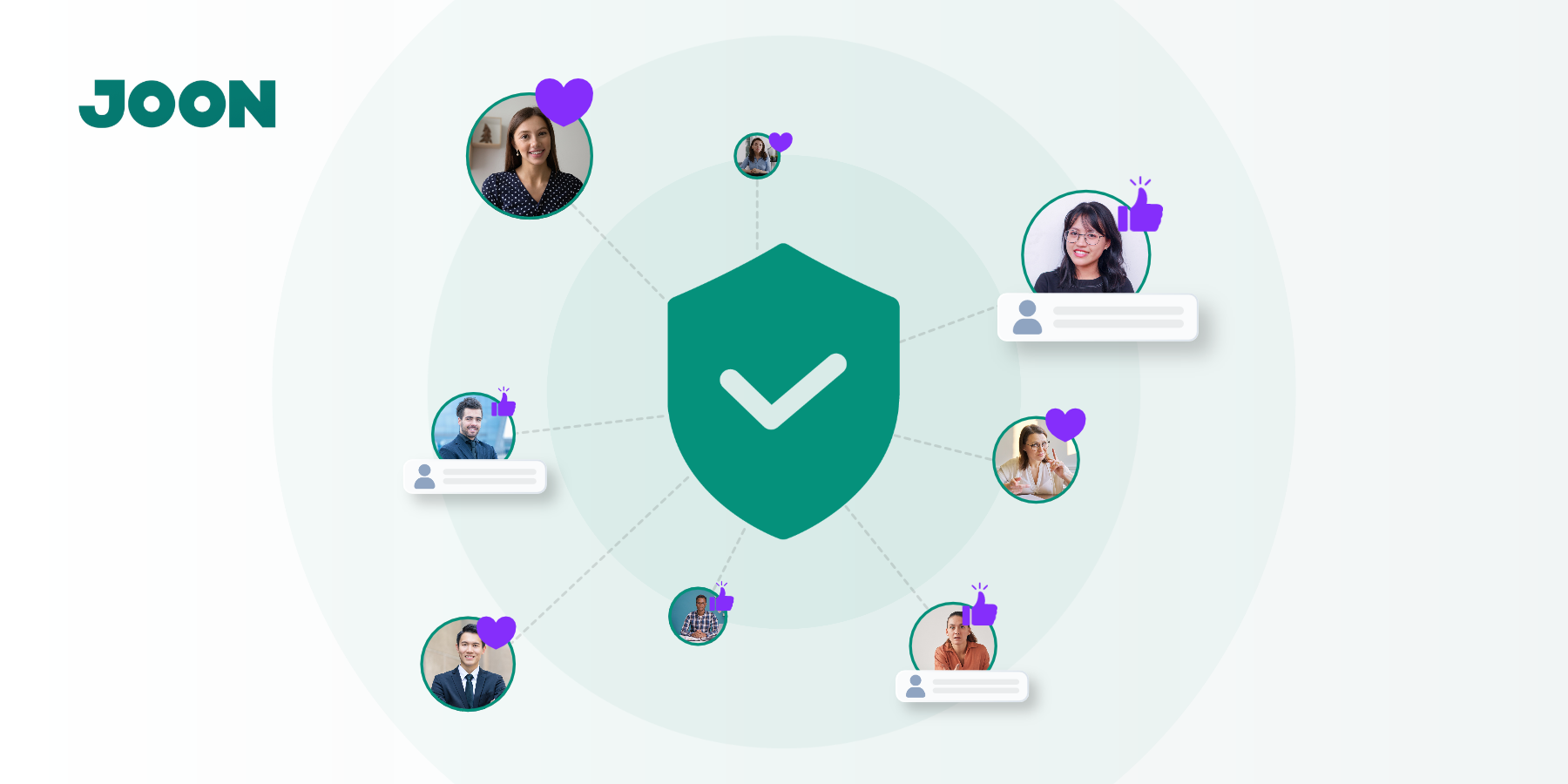
JOON, for example, offers flexible, employer-funded lifestyle spending accounts. Companies set an allowance and approved categories, and employees choose eligible purchases that fit their needs.
That choice makes room for different priorities. An allowance might help one employee take a course and another pay for a fitness membership, depending on the program. It also gives people a recurring, practical reminder that their employer invests in their wellbeing.
Benefits like these can contribute to employee satisfaction and retention alongside fair pay, manageable workloads, and good management. Ask whether employees find the program useful, and adjust it as their needs change.
Give your onshore and offshore colleagues the same attention when designing benefits. A membership near headquarters may work for the office team while offering little value to someone overseas.
Check local access, eligibility, and reimbursement arrangements before introducing a program. Explain the steps clearly and make sure employees know where to get help.
The specific benefits may differ by location. The commitment to supporting people should be consistent. Include offshore colleagues in recognition, learning opportunities, and conversations about their future with the company.
Don't wait for a resignation to ask how someone feels about their job. Regular check-ins create space to discuss workload, frustrations, development goals, and whether benefits are meeting their needs.
Ask what would make the role more sustainable and what might make someone consider leaving. Then follow through. A recurring access problem or an unanswered payroll question deserves a clear owner and an update.
If a benefit goes unused, find out why. It may be irrelevant, difficult to access, or simply poorly explained. The answer tells you where to improve.
A benefits budget is easy to see. The cost of turnover can be spread across hiring, training, temporary coverage, and slower work while someone new learns the role.
Consider those costs together when deciding how much to invest in your existing team. Retaining experienced people helps preserve relationships, knowledge, and the time you've already spent developing them.
At Revaya, our role continues after recruiting and onboarding. We handle ongoing HR, payroll, benefits, and people support while clients manage daily work and priorities. Team members have a place to turn for employment questions, and clients have support as their team develops.
Supporting retention means continuing to invest in the people you've hired. Offer benefits they value, make support dependable, and keep listening as their needs change.
No Contracts, No Commitments. Guaranteed Results.