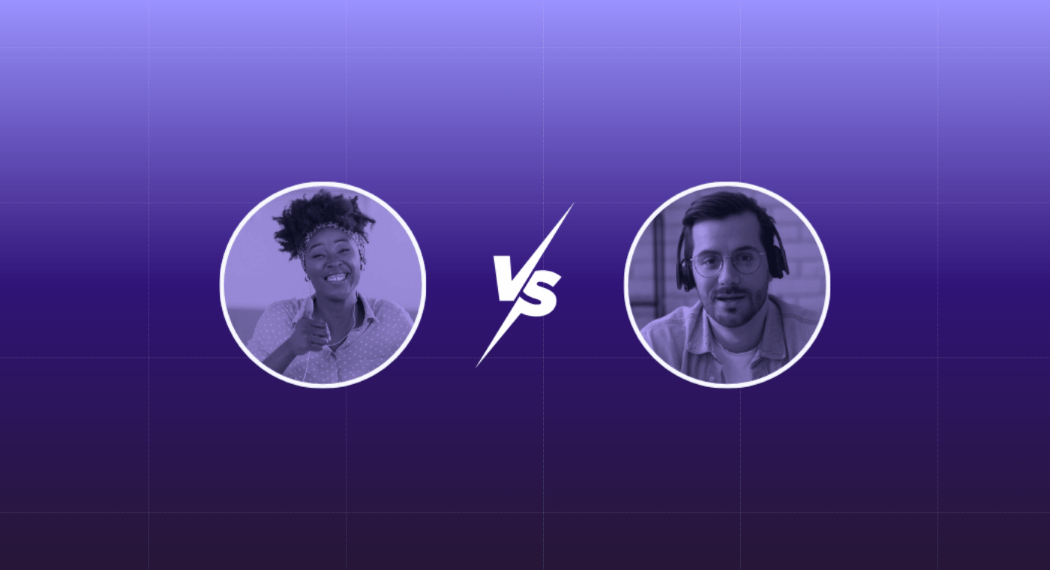
Property Accountant vs Bookkeeper: Which Do You Need?
Compare transaction support, reconciliation and close responsibilities so you can hire for the accounting work your portfolio needs.


When remote team members underperform, owners blame the person. Nine times out of ten, the real culprit is the documentation. An SOP that lives in someone's head, or in a 2,000 word essay nobody reads, produces guesswork. Here is the format that produces execution.
Title: verb plus object (Process a Rental Application).
Trigger: what starts this task.
Owner: role, not person.
Systems: the tools and modules involved.
Steps: numbered, one action each, screenshot where clicking is involved.
Definition of done: observable end state.
Escalate when: the specific conditions.
Last updated: date, so stale SOPs are visible.
Do not write SOPs in a room. Have your current task owner record themselves doing the task once while narrating, then have your new remote team member write the SOP from the recording and submit it for review. They learn the task while documenting it, and you get the library as a byproduct of onboarding. Revaya team members do this routinely during their first 30 days.
Assign SOP ownership to the person who executes it. When the process changes, they update the page and flag it. A quarterly 30 minute review keeps the library honest.
Well documented operations are also what make offshore staffing work on day one. See how we onboard against your SOPs, or build them with you, at Revaya property management staffing, or book a free call.
No Contracts, No Commitments. Guaranteed Results.